Late Perimenopause, The Dark Night of the Soul, and What It Was Really Preparing Me For

late perimenopause

If it feels like everything is falling apart, this might be why.


I originally wrote this in September 2025 and for some reason I didn’t post it… so its here today, shared in its original form, but now I am now out the other side.
I have been post menopause for 3 months, and I feel the most stable, secure, present, energised and whole than I have been before.

…..

I want to share something I have been sitting with for a while now ~ my own experience of late perimenopause and what felt, at its most intense, like a dark night of the soul.

Not because it was easy to live through. It wasn't.

But because I know there are women reading this who are in the middle of something similar right now, wondering what is wrong with them, and I want them to know: nothing is wrong. Something very important is happening.

If you prefer to watch and listen, the full version of this story is on YouTube: https://youtu.be/PZ_cOrWboss?si=Icj4ENz2TwI0aMCU


What we think perimenopause is ~ and what it can actually be

When we talk about perimenopause, the conversation tends to go straight to the physical: hot flushes, disrupted sleep, changing hormones. Those are real, and they matter.

But for me, the bigger story was something else entirely.

It was crashing fatigue. And a flood of subconscious beliefs rising to the surface ~ beliefs I thought I had long since dealt with. Around money. Around desire. Around feeling enough.

All of it came back up.

What I have come to understand is that perimenopause ~ particularly in its later stages ~ can act like a direct line into the psyche. The hormonal shifts that are happening in the body create conditions in which the subconscious mind can no longer hold what it has been holding. What has been suppressed, avoided, or managed begins to surface. Not to break you. To be finally seen and released.

This is not what most women are told to expect.

And it is, I think, one of the most important things to understand about this time of life.


My own story: from avoidance to awakening

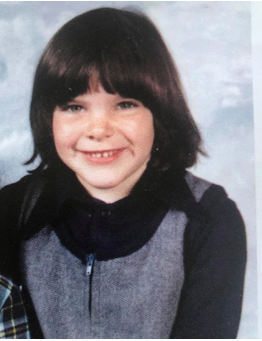
Around the time I launched The Becoming programme in February 2024, I made a quiet request to my body. I was 49, about to turn 50, and I asked to be taken through menopause.

Our bodies are always listening.

Not long after, everything shifted. I began experiencing intense oestrogen crashes. Up until then I had had very few symptoms. Now, at 51, I can see just how powerful that intention was ~ and how completely my system responded to it.

Two months before I wrote this, I hit what I now recognise as a dark night of the soul. I have been through periods like this before over the past decade of my own inner work. But this one was the most acute. It felt like ego death ~ the culmination of an identity shift that has been unfolding slowly, in layers, alongside the perimenopause itself.

At the time, it felt like failure.

I questioned everything. After all this inner work: the inner child work, the shadow work, the subconscious reprogramming, the nervous system recalibration, how could I still be here? What was I doing wrong? Wasn't I supposed to feel grounded and clear by now?

Looking back, I understand it differently.

My psyche, my body, my whole being were clearing out the last remnants of old stories. Preparing space for what comes next. The beliefs that had run quietly beneath the surface for decades ~ around survival, around being enough, around trusting life ~ were coming up for the final time. Not to torture me. To be liberated.


The moment everything collapsed ~ and something opened

In July 2025, everything came crashing down at exactly the moment something wonderful was also unfolding.

Dr Bruce Lipton had just featured The Becoming in his newsletter. It was a moment I had dreamed of: a genuine acknowledgment from someone whose work has shaped so much of my own understanding. And in the same week, my body collapsed.

I was burning out. Aching. Spiking between anxiety and freeze. Crying constantly, without always knowing why.

It forced me to stop. Completely.

And in that stopping, I had to face the survival-based fears and beliefs I had been carrying for years ~ some of them since childhood, buried so deep I had not even known they were still there. The subconscious mind does not always reveal its layers in the order we would choose.

What felt like collapse was a breakthrough in disguise.

This is what late perimenopause can do, when we understand it rather than fight it.

It strips away illusions. It brings up what is hidden. It says, quietly and then louder: you cannot carry this any further. Not because you have failed. Because you are ready to set it down.

The nervous system in perimenopause

One of the things that helped me most during this time was understanding what was happening in my nervous system.

Perimenopause does not just affect hormones. It profoundly affects the nervous system ~ the same system that governs our sense of safety, our capacity to regulate emotion, our ability to rest and recover. The drop in oestrogen affects the way the brain processes threat. It reduces the buffer that kept anxiety manageable. It can shift the nervous system into a more sensitised state, where things that were once tolerable suddenly feel overwhelming.

This is not weakness. This is physiology.

And it means that nervous system support becomes essential during this time — not optional. Breath practices. Nature connection. Slow, intentional movement. Creating genuine safety in the body, rather than pushing through on willpower.

The heart-centred breath practice I returned to again and again during my own dark night was simple. Bring your focus to the centre of your chest. Breathe in and out through that space, a little slower than usual. Repeat, silently or aloud: I am supported. I am safe. I am becoming more of who I truly am.

This is not a trick. It is a way of speaking directly to the nervous system in its own language ~ sensation and breath ~ rather than trying to think your way to calm.

The subconscious mind and the perimenopausal threshold

What I experienced, and what I now see in the women I work with, is that perimenopause and the deeper subconscious work are not separate processes. They are the same process, moving through different layers of the self at the same time.

The subconscious mind ~ the part that holds our earliest beliefs about whether we are safe, worthy, and loved ~ responds to the hormonal and nervous system changes of perimenopause by beginning to surface what has been stored. Patterns that were adaptive in childhood. Beliefs that were formed before we had the capacity to question them. Inner child wounds that never quite received what they needed.

This is why so many women find that the patterns they thought they had resolved come back during perimenopause. It is not regression. It is completion.

The work is not to push these things back down. It is to meet them ~ with the tools, the support, and the self-compassion that perhaps were not available earlier in life.

This is what I guide women through. And it is the same work I did on myself, in the forest, in the quiet, in the sessions where I had to be held rather than holding.

Nature as a co-guide through the dark

I want to say something about the forest during this time, because it was not incidental to my recovery. It was central to it.

When I could not think clearly, I walked in the trees.

When the anxiety was spiking and the nervous system would not settle, the woodland settled it ~ not by doing anything dramatic, but by simply being. The constancy of it. The smell of it. The way it has no agenda for who you are supposed to be.

Nature is a co-regulator. This is not metaphor, it is measurable. Time in woodland environments lowers cortisol, reduces heart rate, shifts the nervous system from activation toward rest. But beyond the physiology, there is something else. The forest in autumn is stripped bare and does not apologise for it. The tree does not worry about losing its leaves. It trusts the season.

I often think of that image when I think about what perimenopause is asking of us.

The leaves fall. The branches are stripped bare. It looks, from the outside, like loss or even death. But it is preparation. Space is being created for the woman you are becoming.


A note on support

I want to say clearly, before anything else: perimenopause can feel profoundly intense. For some women, the hormonal shifts, the nervous system sensitisation, and the surfacing of old material can create experiences that feel genuinely overwhelming or fragile.

If that is where you are, please reach out — to trusted people in your life, to your GP, to a professional who can hold the space with you. This is not a time to manage alone. It is a time to be held.

The work I do is not therapy, and it is not a substitute for clinical support when that is what is needed. What it is, is a space where the deeper layers of this transition can be met with understanding, with the right tools, and with genuine accompaniment.

What becomes possible on the other side

I am now out the other side, and have been post menopause for 3 months, and I feel the most stable, secure, present, energised and whole than I have been before.

However, when I originally wrote this piece, I had another 6 months to go, I want to be honest about that. The integration continued.

But even in July of last year, I could see what was emerging on the other side of the dark night. A steadiness I did not have before.
A clearer sense of what is mine and what is not. Less noise. Less performing. A quieter, more rooted relationship with myself and with the work I am here to do.

What felt like failure was the final clearing.

What felt like collapse was the ground being prepared.

And now I can fully confirm this is my lived embodied experience… I really am grateful to have rebirthed myself in this way.

If you are in the middle of your own version of this ~ if midlife, perimenopause, or something you cannot quite name has brought you to a place of unravelling ~ I want you to know that what is happening to you is not wrong.

It is the most important work of your life.

And you do not have to do it alone.

Ways to begin

If this has landed somewhere in you, there are a few places to start.

The Becoming is the audio programme I created from my own journey through this — six modules that work gently with the subconscious mind as you drift to sleep and wake, using the brain's natural theta state to begin shifting the beliefs and patterns that perimenopause is surfacing. No extra time needed. You simply listen. It is the most accessible way I know to begin this layer of the work. Explore The Becoming

Return to Yourself is a single 90-minute online session — a grounded, unhurried space to step out of the loop and come back to yourself, wherever you are in this journey. Find out more

Becoming More You is the deeper, longer container — six months of 1:1 work where the subconscious patterns, inner child wounds, nervous system responses, and everything perimenopause is surfacing can be met and worked with over time. Application only.
Find out more


Frequently asked questions


What is a dark night of the soul during perimenopause?

A dark night of the soul is a period of intense inner upheaval ~ a sense of identity dissolution, often accompanied by grief, anxiety, exhaustion, or a feeling that everything you thought you knew about yourself is falling away. During perimenopause, these experiences can be intensified by hormonal shifts that affect the nervous system and lower the threshold at which suppressed material rises to the surface. Far from being a sign of failure, a dark night of the soul is often a profound threshold moment ~ the clearing that precedes a deeper emergence.


Why do old patterns and beliefs come back during perimenopause?

The hormonal changes of perimenopause ~ particularly the drop in oestrogen ~ affect the nervous system in ways that can reduce the capacity to suppress or manage what has been held in the subconscious. Patterns, beliefs, and emotional material that felt resolved can resurface. This is not regression. It is the subconscious offering what is ready to be finally released, in a body and nervous system that is shifting into a new phase.


What is the subconscious mind's role in perimenopause?

The subconscious mind holds the beliefs and emotional patterns formed in early life about safety, worth, love, and belonging. During perimenopause, as the nervous system becomes more sensitised and the body undergoes significant change, the subconscious often begins to surface what it has been holding. This can feel disorienting, but it is also a profound opportunity to work with these patterns at their root rather than continuing to manage them at the surface.


How does nature connection help during perimenopause?

Nature ~ particularly time in woodland environments ~ has been shown to regulate the nervous system, reduce cortisol, and shift the body from a state of stress activation toward rest. During perimenopause, when the nervous system is often sensitised and the capacity to self-regulate is reduced, nature connection offers a form of co-regulation that is gentle, non-invasive, and deeply effective. It also provides a reminder that stripping back, like the forest in autumn, is not ending but preparation.


What is the difference between perimenopause symptoms and a deeper identity shift?

Perimenopause symptoms ~ hot flushes, sleep disruption, mood changes, fatigue ~ are real and deserve care. But many women also experience something that goes beyond the physical during this time: a profound questioning of identity, values, and direction. Old roles no longer fitting. A sense that the self constructed over decades is being asked to change. This is the identity shift dimension of perimenopause, and it is psychological and spiritual in nature, not just hormonal.

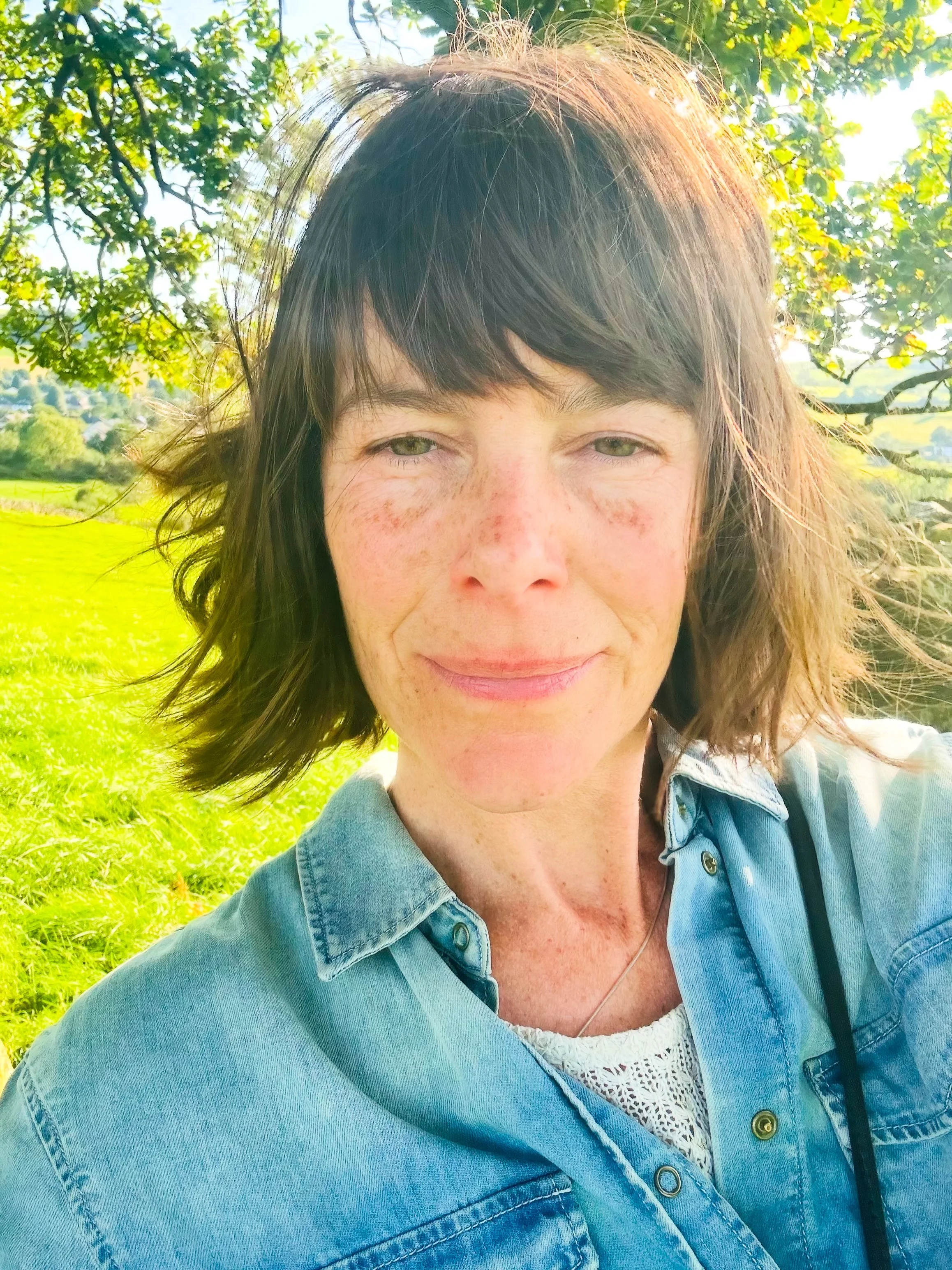
With love, Delyth x

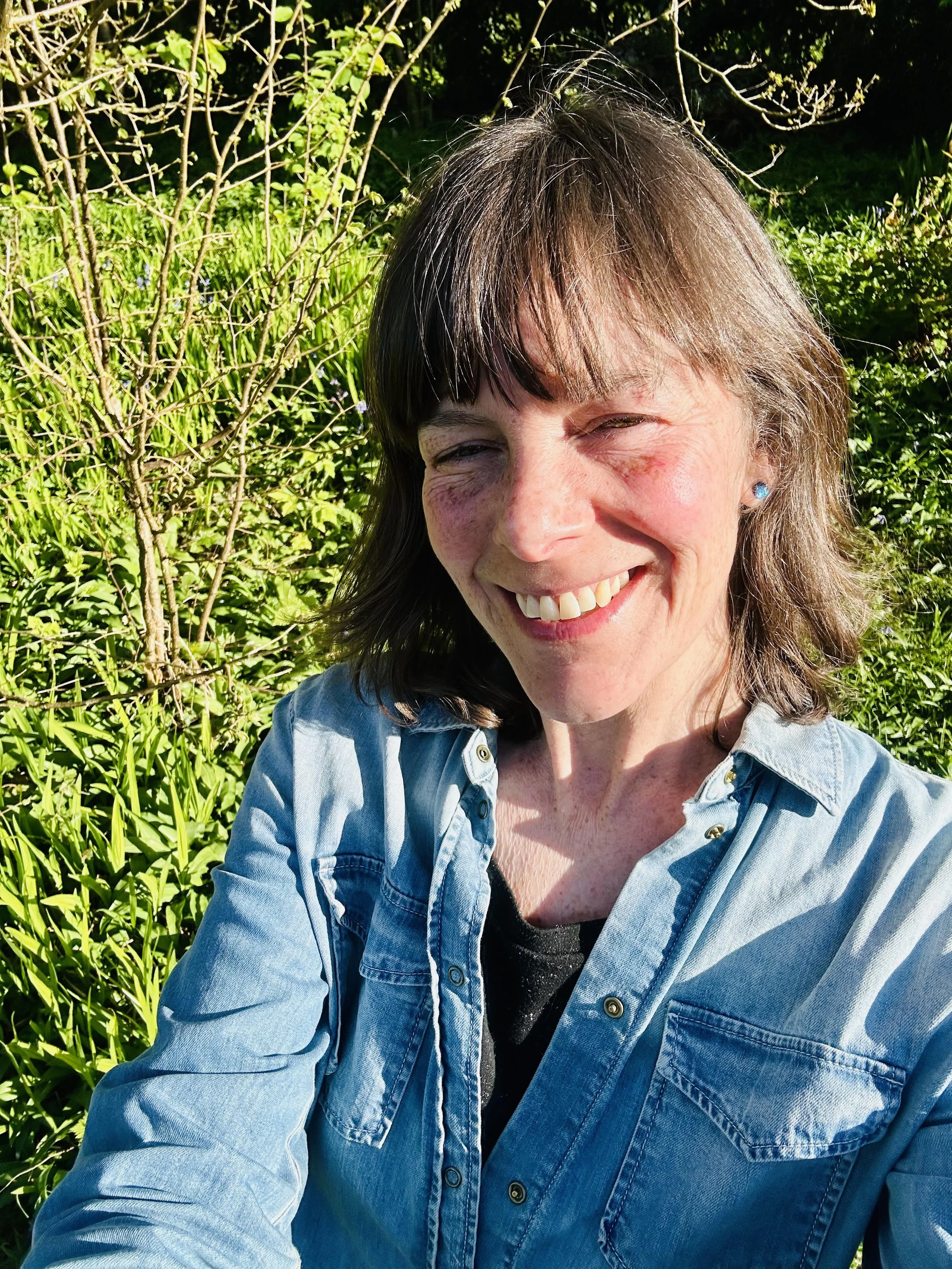
Delyth Johnson is a therapeutic practitioner and founder of Becoming Your True Nature. She supports women through midlife and perimenopause — online and in person in the Lake District and South Cumbria. You can explore her work at becomingyourtruenature.com

Why We Hold Back From the Very Things We Long For

You feel it in your body.

A quiet knowing.
A sense that something in your life wants to shift.
That you are ready for more ~ more ease, more connection, more true with who you actually are.

And then you hesitate.

You scroll past the programme. You close the tab. You think, maybe now is not the right time. You talk yourself out of the very thing that stirred something in you just moments ago.

This is one of the most common experiences women describe to me. And it is also one of the most misunderstood.

This is not self-sabotage. It is protection.

The first thing I want you to understand is that your hesitation is not weakness. It is not a character flaw. It is not evidence that you are not ready, or not committed, or not deserving of change.

It is your nervous system doing exactly what it was designed to do.

When we have spent years ~ often decades ~ surviving emotionally, relationally, energetically, our nervous system learns that staying the same is safe. Change, even change we deeply desire, registers as a threat. Not because our conscious mind believes that. But because the subconscious mind, which formed its understanding of safety very early in life, has not yet received the message that things are different now.

So when something stirs in us ~ when we feel the pull toward a programme, a conversation, a choice that might actually shift something ~ the nervous system activates.
Doubt arrives. Reasons appear. The tab closes.

This is not self-sabotage. It is the protective patterning of a system that learned, long ago, that wanting things and not receiving them was painful. That being seen was risky. That change brought disruption. That it was safer to stay small, stay still, stay in the almost.


The fear underneath the hesitation

If we slow down and look at what is actually happening beneath the hesitation, there are usually a few recognisable fears.

There is the fear that it will not work. That this, like other things tried before, will not be the thing that finally shifts it. This fear often belongs to women who have already done years of personal development, therapy, or coaching and still feel something unresolved running underneath. The subconscious pattern that says: nothing changes for me.

There is the fear of what it would mean to actually have what you want. To feel genuinely well. To no longer identify with the struggle, the search, the stuckness. Identity is more powerful than we realise ~ we can become so accustomed to a version of ourselves that even the prospect of outgrowing it feels like a kind of loss.

And there is the fear of disappointment. Of wanting something enough to say yes to it, and then having that hope not met. This is often an old wound. A pattern of not having needs met, of asking and not receiving, of hoping and being let down. The subconscious learns to protect against this by not wanting too much, or at least not admitting to it.

None of these fears are irrational. They were formed in real experiences. But they are running on old information — and they are keeping you from something that is genuinely available to you now.

Why clarity comes after the decision, not before

One of the things women tell me most often is that they are waiting to feel ready. Waiting for more clarity. Waiting until the timing is right, the finances are better, the children are older, the circumstances are easier.

I understand this. I lived it myself for years.

But here is what I have come to see, both in my own journey and in working with women through this: clarity is rarely the precondition for movement. It is usually the result of it.

The subconscious mind does not reorganise in the abstract. It reorganises through experience ~ through the act of moving toward something, even before we can fully see it. When we wait for complete certainty before taking a step, we are often waiting for the subconscious to give permission that it can only give after we have already begun.

This does not mean leaping into things carelessly. It means learning to distinguish between genuine discernment ~ which is grounded and quiet ~ and protective resistance, which is loud, urgent, and full of reasons.

Genuine discernment says: this is not aligned for me right now.

Protective resistance says: what if it doesn't work, what if I'm not worth it, what if I get disappointed again, maybe I should just collect a bit more free content first.

You likely already know the difference, if you slow down enough to feel it.

What the inner child has to do with it

Beneath most patterns of holding back, there is a younger part of ourselves who learned that it was not safe to want things openly. Who adapted, early on, to the environment she was in ~ perhaps by making herself smaller, quieter, less demanding. By putting her needs last. By not drawing attention to her longing.

Inner child work is not about revisiting pain for its own sake. It is about recognising that this younger part of us is still influencing our decisions as an adult ~ still pulling us back from the threshold, still insisting that it is safer to wait, still protecting us from a disappointment that happened a long time ago.

When we begin to work with this part of ourselves directly ~ to offer her the safety and acknowledgment she needed then ~ something in the hesitation begins to ease.
Not because we have forced ourselves to change, but because the part of us that was driving the resistance no longer needs to.

This is why intellectual understanding alone rarely shifts the pattern. You can know, cognitively, that you are worthy of support, of investment, of change. And still feel the pull to close the tab. The knowing has not yet reached the place where the pattern actually lives.

What becomes possible when you say yes from truth

There is a difference between saying yes from pressure ~ from urgency, from someone else's expectations, from a desperate need for things to be different ~ and saying yes from truth.

Saying yes from truth is quieter. It often comes after a period of resistance has moved through. It feels less like excitement and more like recognition. Like something in you finally being honest about what it already knows.

When women make that move ~ when they step toward support from that place rather than from desperation ~ something different becomes available. The work meets them differently. The patterns begin to shift at the level they actually live, rather than being managed at the surface.

Abi spent fifteen years in therapy and coaching with no lasting change. When she finally began the Becoming More You programme, what shifted was not just her patterns ~ it was her sense of self, her self-worth, her relationships, her direction. She describes it as the greatest gift she ever gave herself. Shortly after completing the programme, she met the love of her life.

Caroline no longer gets triggered in the ways she did before. She sees situations more clearly. She can take a step back rather than reacting. "The work we did," she says, "has gone much deeper than I imagined."

These women did not feel fully ready when they began. They said yes before the certainty arrived. And the certainty came, as it does, through the work itself.

A gentle question to sit with

If something in this has stirred something in you, I want to offer you one question rather than a call to action.

Not: what are you waiting for?

But: what are you afraid will happen if you say yes to this?

Sit with that. Really feel into it. Notice what the fear is actually protecting. Notice how old it is. Notice whether it belongs to now, or whether it belongs to a time much earlier than this.

And then ask: what might actually become possible if I do?

You do not have to have the answer before you move. You just have to be honest about what you already know.

Ways to begin

If something is ready to shift, there are a few places to start ~ each one designed to meet you where you are.

The Becoming is a gentle, self-paced audio programme that works with the subconscious mind as you sleep — no extra time, no pressure, just the quiet work of rewiring the beliefs that drive the holding back. Many women find it the most accessible first step.
Explore The Becoming

Return to Yourself is a single 90-minute online session — unhurried, grounded, and focused entirely on you. No need to explain everything or arrive with a plan.
Find out more

Becoming More You is the deeper container — six months of 1:1 work where the subconscious patterns, inner child wounds, and nervous system responses that drive the holding back are met and worked with directly. Application only.
Find out more


Frequently asked questions


Why do I keep talking myself out of things I actually want?

This is usually the nervous system and subconscious mind working together to protect you from perceived risk ~ not because the thing you want is dangerous, but because wanting and not receiving has been painful before. The pattern is protective in origin, even when it no longer serves you. Working with it at the subconscious level, rather than trying to override it through willpower, is what allows it to genuinely shift.


What is the difference between self-sabotage and nervous system protection?

Self-sabotage implies something deliberately working against you. What is actually happening is more compassionate than that ~ it is a system that learned to manage risk and disappointment by avoiding situations that feel too hopeful, too exposing, or too uncertain. Understanding it as protection rather than sabotage changes the way we work with it.


Why doesn't knowing better change the pattern?

Because the pattern does not live in the conscious, thinking mind. It lives in the subconscious ~ in the nervous system, in the body, in the beliefs formed before we had language for them. Cognitive understanding is valuable, but it operates at a different level from where the pattern actually runs. Shifting it requires working at the level where it lives.


What is inner child work and how does it help with holding back?

Inner child work is the process of recognising and working with the younger parts of ourselves that formed protective adaptations early in life. When we hold back from things we long for, there is often a younger part of us driving that ~ a part who learned that wanting openly was not safe. Working with her directly, offering what she needed then, allows the adult self to move forward with less interference from the past.

With love, Delyth x

Delyth Johnson is a therapeutic practitioner and founder of Becoming Your True Nature. She works with women online and in person in the Lake District and South Cumbria. becomingyourtruenature.com

You're Not Broken - You're Just Running Old Subconscious Code

We spend so much of our lives trying to fix what we think is wrong with us.

Why the patterns keep returning and what it actually takes to change them.


We spend so much of our lives trying to fix what we think is wrong with us.

We read the books. We do the journaling. We go to therapy. We tell ourselves: I know better now. I understand where this comes from. I am not going to do that again.

And then we find ourselves reacting in the same old way.

Feeling anxious for no clear reason. Shutting down when things get close. Overgiving until there is nothing left. Overthinking every conversation. Saying yes when every part of us means no. Pulling away just as something begins to feel good.

And then comes the thought that follows all of it: what is wrong with me?

Here is the truth. Nothing is wrong with you. You are not broken. You are not failing at healing. You are not uniquely damaged or beyond reach.

You are running old subconscious code. And that can be changed.

What subconscious programming actually is

The subconscious mind is the operating system running beneath your conscious awareness. It accounts for the vast majority of how we think, feel, and behave - far more than the conscious, rational mind that we tend to identify with.

And crucially, the subconscious mind was largely formed in the first years of life.

During childhood ~ particularly in moments of stress, emotional intensity, or the need to secure love and attachment ~ the subconscious absorbs beliefs about the world and our place in it. Beliefs about whether we are safe. Whether we are enough. Whether love is reliable. Whether it is acceptable to have needs, to take up space, to be fully seen.

These beliefs were not chosen consciously. They were absorbed, the way a child absorbs language ~ through experience, repetition, and emotional charge.

And then they became the default. The automated programme running in the background, shaping every decision, every response, every relationship ~ without us even knowing it is happening.

This is why a woman can understand, intellectually, that she is worthy of love ~ and still find herself in patterns of self-abandonment.
Why she can know that she does not need to earn her place ~ and still overwork, over-give, over-explain herself. The knowing is conscious. The pattern is subconscious. And they are operating at entirely different levels.

Why thinking your way out of it does not work

One of the most painful aspects of this is the gap between understanding and change.

You can spend years in therapy developing insight into your patterns. You can understand where they came from, what they were protecting, what needs they were meeting. And the patterns can continue to run, largely unchanged, underneath that understanding.

This is not a failure of the therapy, or of you. It is a structural reality of how the subconscious mind works.

The subconscious does not respond to logic. It does not update itself because the conscious mind has reached a new conclusion. It responds to experience, to repetition, to emotional resonance, and to direct communication at the level where it actually operates ~ particularly in the brain's naturally receptive states, when the analytical mind relaxes its guard.

This is why affirmations alone, repeated in a normal waking state, often do not reach far enough. If the subconscious belief says I am not enough, the conscious mind repeating I am enough will meet an internal contradiction that the subconscious simply does not accept. The door is closed.

Affirmations can work but the conditions matter enormously.
The subconscious is most receptive in the theta brain wave state ~ the deeply relaxed place we move through as we drift to sleep and as we begin to wake. In this state the analytical mind softens its guard and the subconscious becomes genuinely open. And the language matters too.

To change the subconscious programme, you have to speak to it in its own language: in the right state, and through the body as much as the mind.

The inner child at the root of it

Beneath most subconscious patterns, there is a younger version of you.

Not as a metaphor. As a genuine, felt presence ~ a part of you that formed her understanding of herself and the world at an age when she had no other tools but adaptation. She learned what she had to learn to stay connected, to stay safe, to stay loved. And she has been running those learnings ever since.

Inner child work is not about revisiting pain for its own sake. It is about meeting that younger part with the understanding, the safety, and the love she needed then and integrating what she has been holding, so that the adult self is no longer being quietly steered by a child's fear.

When this work happens at the right level ~ not just talked about, but felt and integrated ~ the subconscious patterns begin to dissolve. Not through effort. But through the completion of something that was left unfinished a long time ago.

Shadow work and the parts we learned to hide

Alongside the inner child, most of us are also carrying what is sometimes called the shadow ~ the parts of ourselves we learned to suppress, disown, or hide because they did not feel acceptable.

Perhaps it was our anger. Our needs. Our desire for more. Our wildness, our sensuality, our strength, our grief. Whatever the environment we grew up in could not hold, we learned to push down.

In midlife particularly, these parts tend to surface with increasing urgency. The woman who has spent decades being capable and contained suddenly finds herself flooded with feelings she cannot explain. Rage. Longing. Grief. A strange, insistent sense that she has been living someone else's life.

This is not a breakdown. It is the shadow asking to be integrated.

Shadow work is the practice of meeting these parts with curiosity rather than fear ~ of reclaiming what was disowned and welcoming it back into a more whole sense of self. Far from being dark or frightening, most women find it among the most liberating work they have ever done.

What changes when the subconscious shifts

The women I work with do not describe the change as dramatic. They describe it as a quieting.

The internal noise begins to reduce. The automatic reactions slow down. There is more space between the trigger and the response — space in which a different choice becomes possible.

Caroline describes it like this: "I no longer get triggered by certain things. I see things more clearly and can take a step back seeing the true situation rather than reacting."

Natalie, who had carried a story about herself since childhood that had caused her immense pain, says: "Now I can genuinely say I feel free of it. I feel like I never had it in the first place. I'm not thinking I'm not good enough. I have confidence in myself."

And Abi, who had spent fifteen years in therapy and coaching with no lasting change: "It will be the greatest gift you ever give yourself."

These women did not push harder. They did not try to fix themselves more forcefully. They worked at the level where the patterns actually lived and something reorganised from the inside.

Healing through rest, not effort

This is the principle behind The Becoming, the audio programme I created from my own journey through this work.

The Becoming works with the subconscious mind during the brain's natural theta state: the deeply receptive state as you drift to sleep and as you begin to wake. In this state, the analytical mind softens, and the subconscious becomes genuinely open to new information, not resistant to it.

Six modules, each focused on a different layer of subconscious patterning: creating inner safety, self-love and body connection, reclaiming worth, authentic communication, feminine vitality, and intimacy and connection.

You listen. You rest. The work happens beneath conscious effort, at the level where the patterns actually live.

This is not passive. It is a completely different relationship with change — one built on allowing rather than forcing, on gentleness rather than willpower, on working with the subconscious rather than against it.

As featured in Dr Bruce Lipton's newsletter in July 2025.

Explore The Becoming


For women who want to go deeper

The Becoming is the foundation. For women who want to work with these layers in a more direct, relational, and tailored way, Becoming More You is the deeper container.
Six months of 1:1 work where subconscious reprogramming, inner child integration, shadow work, and nervous system recalibration are woven together over time.

This is where identity-level change becomes possible. Not through doing more, but through something finally reorganising at the level where it actually lives.
Find out more


Frequently asked questions


What is subconscious reprogramming?

Subconscious reprogramming is the process of identifying and shifting the beliefs and patterns held in the subconscious mind ~ the automated operating system formed largely in early childhood that drives most of our behaviour, emotional responses, and relationship patterns. Because the subconscious does not respond to conscious reasoning, reprogramming works by communicating at the level where the subconscious is most receptive: through the body, through the nervous system, through repetition in relaxed states, and through emotional experience.


Why do I keep repeating the same patterns even though I understand them?

Understanding a pattern is a conscious process. The pattern itself lives in the subconscious ~ below the level of conscious thought. Insight alone, while valuable, does not reach the place where the pattern actually operates. Lasting change requires working at the subconscious level directly, through approaches that speak the language of the subconscious: embodied experience, nervous system regulation, and receptive states in which new information can genuinely embed.


What is the theta brain state and why does it matter for subconscious work?

Theta is a brain wave state associated with deep relaxation, creativity, and heightened receptivity ~ experienced naturally as we drift to sleep and as we begin to wake. In theta, the analytical, critical mind relaxes its guard, and the subconscious becomes more open to receiving new information. This is why audio-based subconscious work delivered during these states can be so effective — the message reaches the subconscious when it is actually listening.


What is inner child work?

Inner child work is the process of recognising and working with the younger parts of ourselves that formed protective patterns early in life ~ parts still carrying the beliefs and emotional experiences of childhood. Rather than analysing these parts from a distance, inner child work involves meeting them directly: offering safety, acknowledgment, and the compassion they needed then. When this happens at a felt level rather than an intellectual one, the patterns those parts have been running begin to release.


How is this different from traditional talking therapy?

Talking therapy works primarily with the conscious mind with narrative, insight, and understanding. This has genuine value. But because the subconscious patterns that drive most of our behaviour operate below conscious thought, talking about them often does not reach far enough. Subconscious and somatic approaches work at the level where the patterns actually live ~ in the body, the nervous system, and the subconscious mind ~ which is why the change they produce can feel more lasting and more fundamental.

With love, Delyth x

Delyth Johnson is a therapeutic practitioner and founder of Becoming Your True Nature. She supports women in shifting the subconscious patterns that keep them stuck — online and in person in the Lake District and South Cumbria. becomingyourtruenature.com

How Nature Heals the Nervous System (Without You Having to Try So Hard)

There’s something deeply healing about the forest.

In a world that constantly asks us to do more, heal faster, and keep going, there is something profoundly radical about slowing down.

The Science of Forest Bathing: What Shinrin-Yoku Actually Does to Your Body and Mind

The evidence behind why time in the woodland works — and why you don't have to understand it for it to.

There's something deeply healing about trees: the woodlands, the forests. Not just because it's beautiful, but because it reminds you of your own natural pace.

You don't have to effort. You don't have to fix anything. You simply have to arrive and allow nature to do what she does best: help you remember who you really are.

Shinrin-Yoku, known in English as forest bathing, is a Japanese wellness practice that involves slowing down, opening your senses, and immersing yourself in the atmosphere of the forest. Developed in Japan in the 1980s as a public health initiative, Shinrin-Yoku is now widely researched for its evidence-based benefits on physical, mental, and emotional wellbeing.

Scientific studies show that when we spend unhurried, sensory-based time in woodland environments, stress hormones decrease, heart rate and blood pressure lower naturally, the parasympathetic nervous system activates to support calm and restoration, immune function increases through elevated natural killer cell activity, anxiety and rumination decrease, and mood, clarity, and emotional balance improve.

Shinrin-Yoku is not hiking, exercising, or learning about nature. It is a sensory, therapeutic practice of being with nature — noticing, receiving, and allowing the forest to support your body and mind in returning to balance.

Physical health benefits

Reduces stress hormones. Within minutes of entering a woodland, cortisol, adrenaline, and heart rate begin to lower as the body shifts from the stress-response state into rest and repair.

Supports heart health. Forest exposure gently reduces blood pressure and improves heart-rate variability — key markers of cardiovascular wellbeing.

Boosts immune function. Trees emit natural essential oils called phytoncides which, when inhaled, increase the number and activity of natural killer cells that fight viruses and support immune resilience for up to a week after a single session.

Improves sleep and energy. Morning light filtering through trees helps regulate circadian rhythm and melatonin, improving sleep quality and natural energy cycles.

Enhances respiratory health. Breathing in clean, humidified air filled with organic compounds from trees nourishes the lungs and supports healthy breathing patterns.

Reduces inflammation. Regular contact with nature — walking, touching the earth, breathing forest air — has been linked to lower systemic inflammation and healthier immune regulation.

Improves mobility and balance. Gentle walking on uneven forest ground engages stabilising muscles and supports physical coordination without strain.

Mental and emotional health benefits

Calms the mind. The soft, rhythmic stimuli of nature — birdsong, rustling leaves, flowing water — gently reduce activity in the brain's fear and worry centres, quieting anxiety and overthinking.

Restores focus and mental clarity. According to Attention Restoration Theory, natural environments allow the brain's prefrontal cortex to rest, improving concentration, memory, and creativity.

Lifts mood and emotional wellbeing. Exposure to sunlight, plant aerosols, and soil microbes such as Mycobacterium vaccae increases serotonin — the neurotransmitter that enhances mood and reduces symptoms of depression.

Releases tension and supports nervous system regulation. Slow breathing and gentle sensory focus increase vagal tone, helping the body move out of fight, flight, or freeze and into grounded calm.

Encourages presence and mindfulness. Using all five senses to connect with the living world brings you back into the moment, supporting emotional regulation and self-connection.

Encourages belonging and connection. Sharing forest experiences in community supports co-regulation — our nervous systems synchronise through breath, tone, and rhythm, helping us feel safe and seen.

Builds emotional resilience. Over time, regular forest immersion strengthens the nervous system's ability to return to balance after stress, creating a greater sense of steadiness and inner safety.

Supports self-expression and creativity. As mental noise softens, intuition and imagination awaken — the natural outcome of a calm and connected mind.

The research

Li Q et al., 2010 — Environmental Health and Preventive Medicine: forest air increases immune cell activity and lowers cortisol.

Park BJ et al., 2010 — International Journal of Environmental Research and Public Health: Shinrin-Yoku reduces heart rate and blood pressure.

Berman MG et al., 2008 — Psychological Science: nature exposure improves cognitive function and mood.

Ulrich RS et al., 1991 — Journal of Environmental Psychology: natural views accelerate stress recovery.

Bratman GN et al., 2015 — PNAS: nature reduces rumination and deactivates the subgenual prefrontal cortex.

Figueiro MG et al., 2017 — Sleep Health: morning light exposure improves circadian rhythm and sleep quality.

Morrison I, 2016 — Philosophical Transactions B: affective touch releases oxytocin and reduces stress.

White MP et al., 2019 — Scientific Reports: two hours per week in nature significantly increases wellbeing.


Experience it for yourself

If you feel called to experience forest bathing directly, there are a few ways to begin.

Explore forest therapy sessions — 1:1, in the woodland near Kendal, South Cumbria.

Explore Alchemy with Nature retreat — three days in a private temperate rainforest in the Lake District, October 2026.

Explore seasonal forest bathing events — small group sessions across the year.


With love, Delyth x

Delyth Johnson is a Certified Forest Therapy Practitioner and therapeutic facilitator based near Kendal in South Cumbria. becomingyourtruenature.com